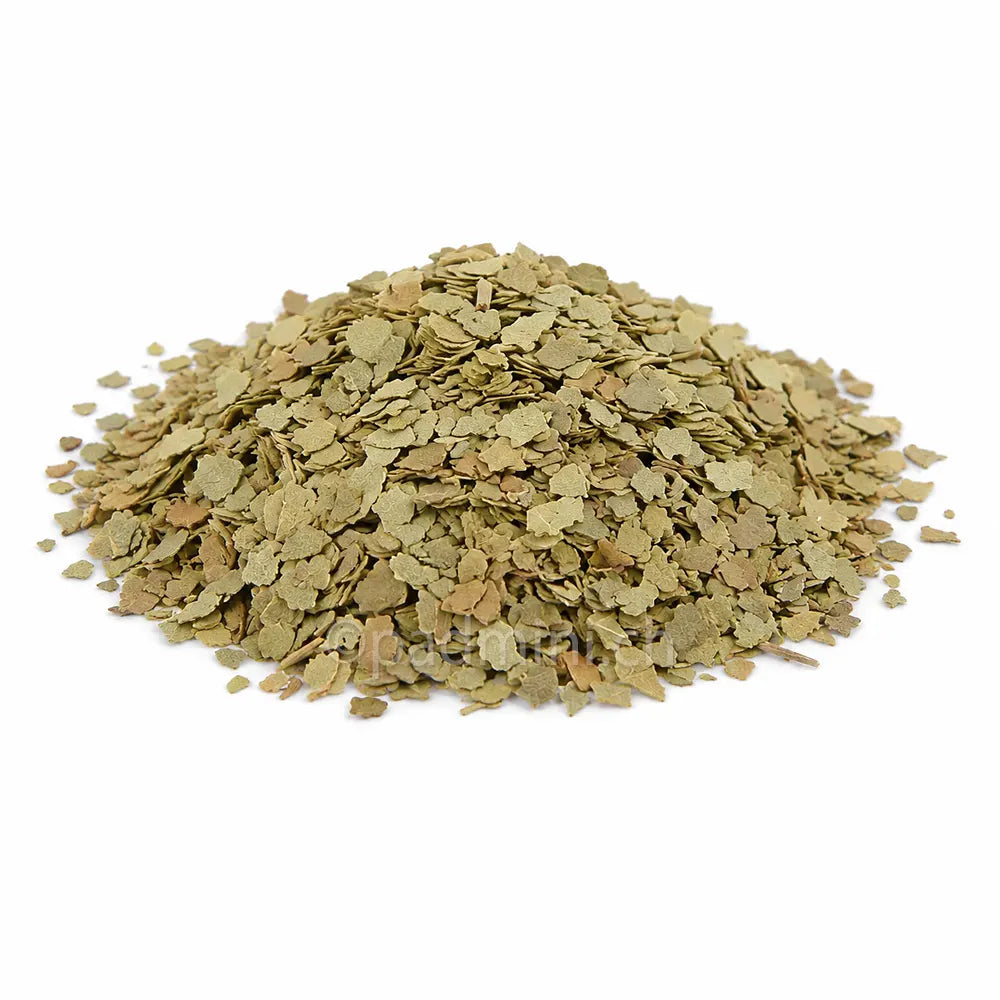
Crushed Bay Laurel Leaves 50 g – Laurus nobilis for Incense Burning
Crushed Bay Laurel Leaves 50 g – Laurus nobilis for Incense Burning
1474
Couldn't load pickup availability
Product description
Crushed bay laurel leaves (Laurus nobilis) combine a powerful aromatic fragrance with a particularly rich history. When burned as incense, the dried leaves release an intense, fresh, herbal and spicy fragrance with slightly camphor-like and occasionally somewhat resinous nuances. In ancient Mediterranean cultures, bay laurel was closely associated with purification, Apollo, oracles and victory; in contemporary incense practices, the main associations are protection, symbolic purification, inspiration and success.
Laurus nobilis belongs to the Lauraceae family and is originally native to the Mediterranean region. The crushed bay laurel leaves offered here come from Turkey. This is true bay laurel, also known as culinary bay, and should not be confused with cherry laurel or oleander, which belong to different botanical families.
Bay laurel in ancient Greece and Rome
Few aromatic plants have such strong symbolism rooted in antiquity as bay laurel. In Greek mythology, it is closely associated with Apollo and the myth of Daphne, who is transformed into a laurel tree. At Delphi, victors of the Pythian Games were honoured with laurel wreaths. From this developed the symbolism of victory, honour and distinction that remains familiar today.
Bay laurel was also associated with inspiration and prophecy. This connection was particularly strong at the sanctuary of Apollo in Delphi, home to the famous oracle of ancient Greece. Over the centuries, these associations gave rise to numerous beliefs linking bay laurel with intuition and prophetic insight.
There is also a historical connection between bay laurel and purification through smoke. In the context of Roman triumphal processions, Pliny the Elder mentions an explanation according to which laurel was used for purification from the blood shed in war. Such accounts illustrate the plant's ritual significance without establishing any objectively purifying effect of its smoke.
Aromatic, spicy and slightly camphor-like
When burned as incense, bay laurel leaves develop a powerful, aromatic and herbal-spicy fragrance with a fresh, slightly camphor-like note. Depending on individual perception, subtle resinous nuances may also emerge. The fragrance is more intense and penetrating than soft or sweet.
The dried, crushed leaves can be used in small quantities on suitable incense charcoal or combined with other plants and natural resins. Their crushed form makes them easy to measure out and incorporate into incense blends. A heat-resistant incense vessel and good ventilation are recommended; the smoke should not be inhaled directly.
Purification and protection
Bay laurel's historical association with ritual purification also appears, in a different form, in contemporary incense practices. Bay laurel leaves are associated with symbolic purification and spiritual protection. Incense rituals involving the leaves can accompany the intention of freeing a space from influences perceived as negative or creating a protective atmosphere.
In some contemporary esoteric traditions, bay laurel is also used to symbolically ward off unwanted spiritual presences. It is occasionally even associated with exorcism. Such ideas belong to the realm of belief and do not mean that bay laurel actually drives away spirits or other supernatural influences.
Inspiration, intuition and success
The close historical connection with Apollo and Delphi also shapes modern spiritual interpretations. Today, bay laurel is associated with inspiration, intuition and inner clarity and is therefore used in incense rituals accompanying meditation, reflection or divinatory practices.
The ancient symbolism of the laurel wreath as a sign of victory also lives on. In contemporary rituals, bay laurel leaves are therefore associated with personal strength, success and achieving a goal. These are symbolic intentions rather than promised effects of burning the leaves as incense.
Traditional uses as a culinary and medicinal herb
Beyond its ritual history, true bay laurel is best known as a Mediterranean culinary herb. Ethnobotanical studies also document traditional uses of its leaves in Mediterranean folk medicine, including for digestive complaints. This information is provided solely for historical context and cannot be applied to the effects of burning bay laurel leaves.
- Botanical name: Laurus nobilis L.
- Family: Lauraceae
- Plant part used: leaves
- Origin of the current product: Turkey
- Form: dried, crushed leaves
- Fragrance when burned: aromatic, herbal, spicy, fresh and slightly camphor-like
- Use: for incense burning, on their own or in incense blends
- Net weight: 50 g