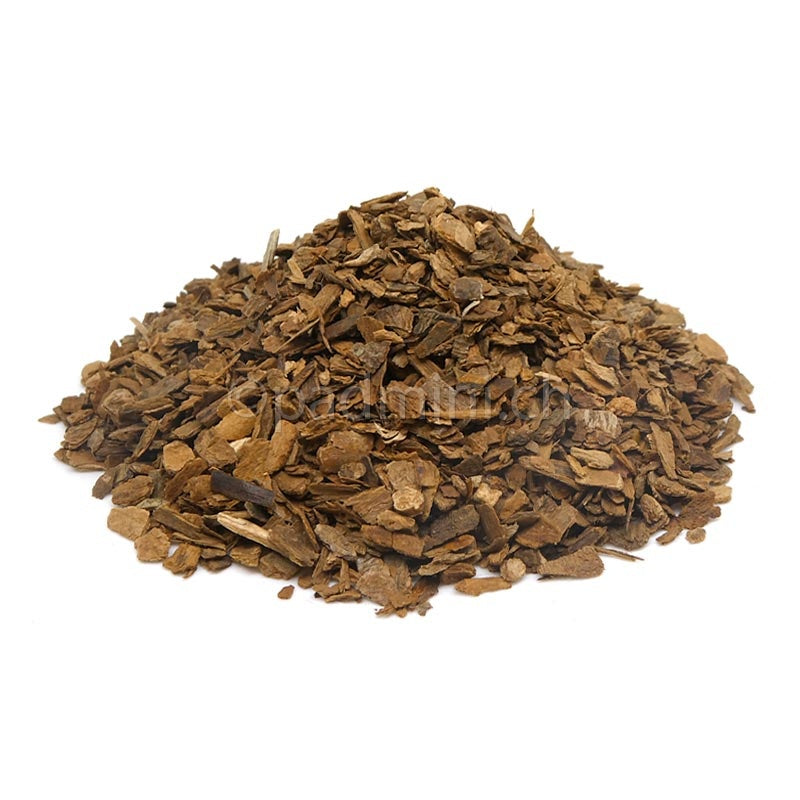
Ceylon Cinnamon Bark 40 g – Cinnamomum verum for Incense Burning
Ceylon Cinnamon Bark 40 g – Cinnamomum verum for Incense Burning
1941
Couldn't load pickup availability
Product description
Ceylon cinnamon bark (Cinnamomum verum) from Sri Lanka is a classic aromatic incense material with a warm and unmistakably spicy character. When burned as incense, the dried bark releases an intensely aromatic, gently sweet fragrance with slightly woody nuances. It adds warmth and spice to incense blends and is particularly associated with prosperity, success, love and protection in contemporary spiritual practices.
Cinnamomum verum belongs to the Lauraceae family and is originally native to Sri Lanka, formerly known as Ceylon. The prepared and dried inner bark of the cinnamon tree is used. The Ceylon cinnamon bark offered here comes from Sri Lanka and consists of crushed pieces of bark.
Ceylon cinnamon and cassia are not the same
Ceylon cinnamon should not be confused with the various types of cinnamon known as cassia. Chinese cinnamon (Cinnamomum cassia) is particularly well known. In terms of fragrance, Ceylon cinnamon is generally described as more delicate and milder, whereas cassia often has a stronger, sharper character. Both have a distinctly spicy cinnamon aroma but come from different species.
An important spice plant from Sri Lanka
Cinnamon is one of the great aromatic spices of historical long-distance trade and was valued for its culinary, medicinal and fragrant properties. Ceylon cinnamon played a particularly important role in Sri Lanka's trading history. From the 16th century onwards, first the Portuguese and later, in the 17th century, the Dutch attempted to control the island's lucrative cinnamon trade.
Historical sources mention cinnamon much earlier. However, it is not always possible to establish which botanical species was meant by the various ancient names. Such references should therefore not automatically be attributed to Cinnamomum verum.
Warm, spicy and gently sweet
When burned as incense, Ceylon cinnamon bark develops a warm and spicy fragrance with a gentle sweetness and slightly woody nuances. Its familiar cinnamon character creates an intense aromatic warmth, even though the bark itself contains no sugar or added fragrances.
The crushed pieces of bark can be used in small quantities on suitable incense charcoal or combined with other plants, woods and natural resins. Cinnamon is particularly suitable as a spicy component in more complex blends, for example alongside bay laurel, cloves, cardamom or frankincense. Because of its pronounced aroma, it is advisable to start with a small quantity. A heat-resistant incense vessel and good ventilation are recommended; the smoke should not be inhaled directly.
Cinnamon in Japanese incense culture
Cinnamon is also among the aromatic raw materials used in Japanese incense culture. Under the name Keihi, cinnamon is used as a fragrance ingredient by traditional incense manufacturers such as Shoyeido, for example, and combined with sandalwood and other spices. Cinnamon's warm, spicy character is therefore a component of various Japanese fragrance compositions.
However, the designation Keihi or cinnamon does not mean that Cinnamomum verum is always used exclusively. The Ceylon cinnamon bark from Sri Lanka offered here should therefore not be equated with any particular raw material or specific recipe used by Japanese manufacturers.
Prosperity, love and protection
In contemporary incense and esoteric practices, cinnamon is particularly associated with prosperity, abundance, success and personal strength. Incense rituals involving cinnamon may symbolically accompany endeavours centred on growth, achievement or material well-being.
Another widespread association concerns love, attraction and closeness between people. Cinnamon's warm character therefore also finds a place in incense blends intended to symbolically accompany love or sensuality.
In some contemporary practices, cinnamon is also associated with spiritual protection. These associations with prosperity, love, protection and personal strength should be understood as symbolic and ritual beliefs rather than proven effects of burning cinnamon as incense.
Traditional uses of cinnamon bark
Alongside its culinary uses, cinnamon bark has a long history in various herbal traditions. Historical applications include preparations used for digestive complaints, flatulence and feelings of fullness. These traditional uses are mentioned here solely for historical context and do not concern the effects of burning cinnamon bark.
- Botanical name: Cinnamomum verum J.Presl
- Synonym: Cinnamomum zeylanicum
- Family: Lauraceae
- Plant part used: bark
- Origin of the product: Sri Lanka
- Form: dried, crushed bark
- Fragrance when burned: warm, spicy, gently sweet and slightly woody
- Use: for incense burning, on its own or in incense blends
- Net weight: 40 g