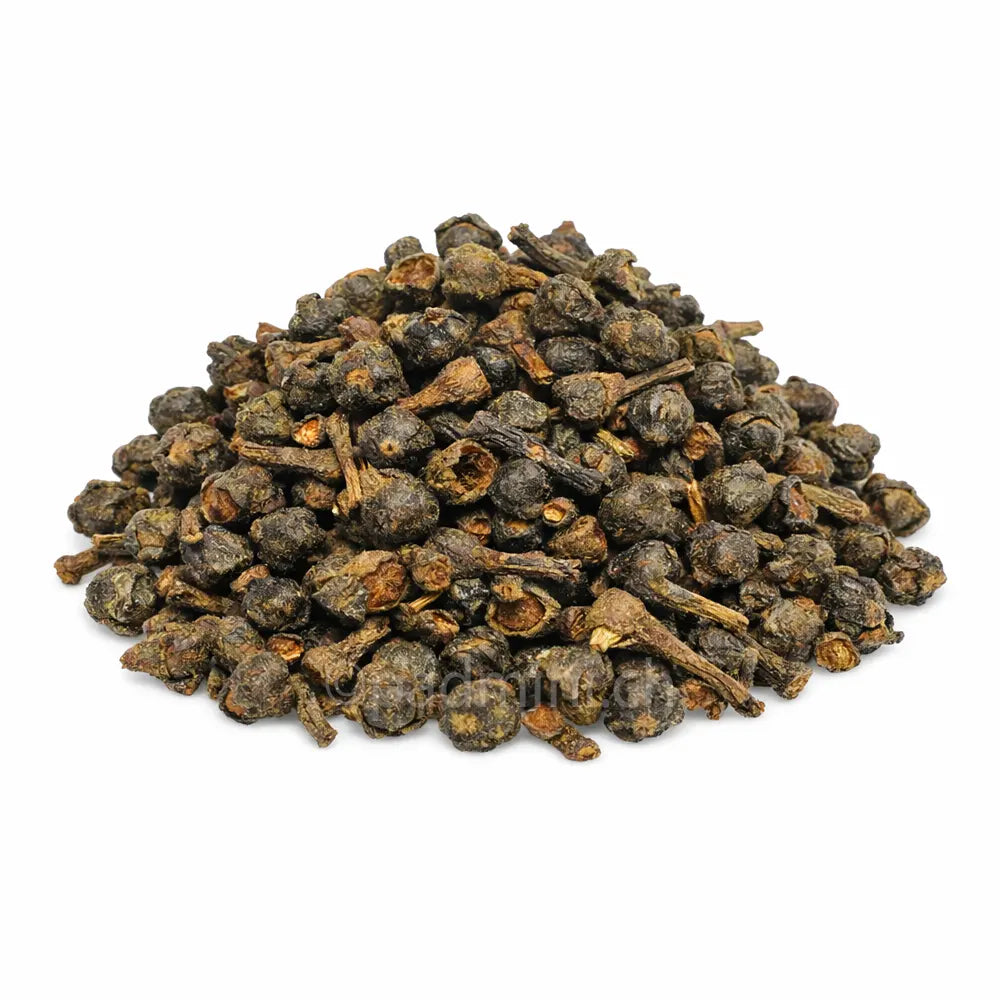
Whole Cassia Cinnamon Buds 40 g – Cinnamomum cassia for Incense Burning
Whole Cassia Cinnamon Buds 40 g – Cinnamomum cassia for Incense Burning
1422
Couldn't load pickup availability
Product description
Whole cassia cinnamon buds are an aromatic incense ingredient with the characteristic warm fragrance of Chinese cassia cinnamon. Despite their traditional trade name, these so-called cinnamon flowers are generally not open flowers, but young, harvested and dried fruits of the cinnamon tree. They release a warm, gently spicy and slightly sweet fragrance that is more delicate and less woody than that of cassia cinnamon bark.
The cinnamon buds offered here come from China. The Chinese cassia cinnamon tree belongs to the Lauraceae family and is commonly referred to in trade as Cinnamomum cassia; botanically, the species is also known today as Cinnamomum aromaticum. It should be distinguished from Cinnamomum verum, or Ceylon cinnamon.
Why are they called cinnamon flowers?
The name cinnamon flowers is a traditional trade designation. The small dried structures somewhat resemble cloves, but botanically, so-called cassia buds are generally described as young fruits harvested before ripening and subsequently dried, sometimes retaining parts of the floral envelope. They are therefore neither flower petals nor fully opened cinnamon flowers.
This aromatic product is by no means a modern invention. As early as 1911, the British Pharmaceutical Codex described cassia buds as young dried fruits traded from China and used as a spice. Chinese cassia cinnamon itself is native to an area extending from south-eastern China to Vietnam and has a long history as a spice and aromatic plant.
Delicate cinnamon fragrance with spicy warmth
When burned as incense, cassia cinnamon buds release a warm, spicy and gently sweet cinnamon fragrance. Compared with cassia cinnamon bark, their aroma is generally described as more delicate and less peppery. The woody character is also less pronounced, while subtle balsamic nuances may emerge depending on individual perception.
The name “cinnamon flowers” should not create a misleading impression: their fragrance is not predominantly floral. Instead, they offer a softer, more rounded cinnamon character that blends particularly well into incense mixtures as a warm spicy note.
The whole cinnamon buds can be used in small quantities on suitable incense charcoal or combined with other plants, woods and natural resins. For those wishing to incorporate the fragrance of cinnamon into an incense blend while seeking a somewhat more delicate character than cassia cinnamon bark, these buds offer an interesting alternative. A heat-resistant incense vessel and good ventilation are recommended; the smoke should not be inhaled directly.
Love, warmth and good fortune
In contemporary incense and esoteric practices, cinnamon buds are particularly associated with love, sensuality and closeness between people. Their warm fragrance therefore accompanies incense rituals intended to symbolically express affection, attraction or a welcoming and harmonious atmosphere.
Other contemporary associations link cinnamon buds with good fortune and joy in life. In some spiritual interpretations, they are also used during moments of retreat, contemplation and consciously turning one's attention inward.
Cinnamon in general is also associated with prosperity, success and protection. However, this symbolism concerns cinnamon as a broader group of aromatic incense materials and is less specifically documented for cinnamon buds than the themes of love, warmth and good fortune. All these associations should be understood as ritual beliefs and personal intentions rather than proven effects of burning the buds as incense.
- Botanical designation: Cinnamomum cassia / Cinnamomum aromaticum
- Family: Lauraceae
- Trade name: cassia cinnamon buds
- Plant part used: so-called cassia buds, generally young dried fruits
- Origin of the product: China
- Form: whole, dried
- Fragrance when burned: warm, spicy, gently sweet and slightly balsamic
- Use: for incense burning, on their own or in incense blends
- Net weight: 40 g