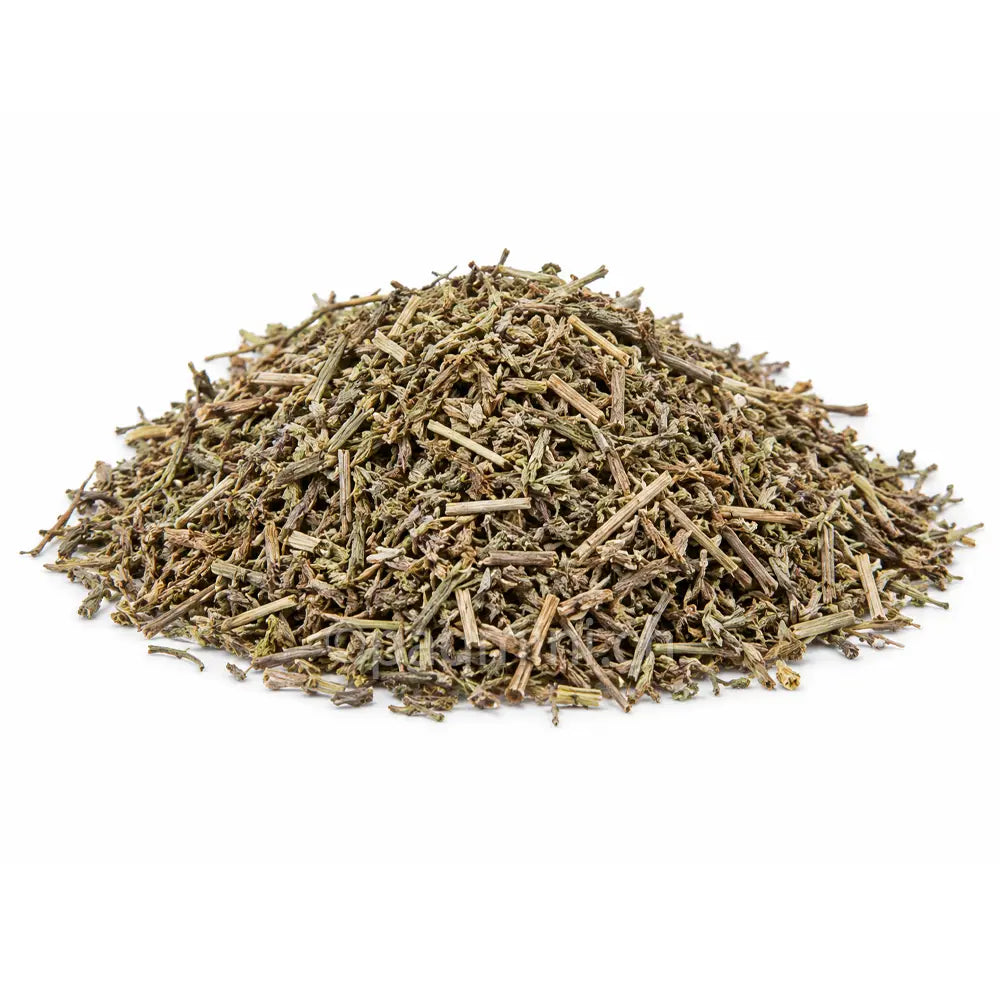
Cut Vervain 50 g – Verbena officinalis for Incense Burning
Cut Vervain 50 g – Verbena officinalis for Incense Burning
1147
Couldn't load pickup availability
Product description
Cut vervain (Verbena officinalis) is a traditional European ritual plant surrounded by an exceptionally rich symbolism dating back to antiquity. Purification, protection and blessing are among its historical associations, alongside later beliefs concerning love, harmony and intuition. Today, vervain is also used as a botanical incense material.
Verbena officinalis, also known as common vervain, belongs to the Verbenaceae family. This inconspicuous plant has a wide natural distribution throughout the Old World and is also native to Europe. It should not be confused with the intensely lemon-scented lemon verbena (Aloysia citrodora): these are two botanically distinct plants with entirely different fragrance characteristics.
An ancient European ritual plant
Vervain's special significance dates back to antiquity. Pliny already described a plant known as verbenaca or hiera botane, which was associated with ritual purification and divination. Among other uses, it was employed to cleanse altars and houses.
However, caution is needed when interpreting ancient texts: the Latin term verbenae could also refer to various plants used for religious and ritual purposes. Not every historical reference to “Verbena” can therefore be identified with certainty as the modern species Verbena officinalis.
During the Middle Ages and Renaissance, vervain retained a strong reputation as a magical and protective plant. It was used, among other things, as a plant for amulets and was associated with protection against harmful influences and witchcraft. Christian legends also tell of vervain being used to tend Christ's wounds. This account belongs to religious plant folklore and should not be understood as a historical event.
Vervain for incense burning
Today, Verbena officinalis is also used in incense blends and spiritually oriented incense practices. Its contemporary use as an incense material is thus combined with the plant's ancient symbolism. However, this does not establish a continuously documented ancient or medieval tradition of burning the specific cut vervain offered today.
The plant material can be burned on its own or together with other herbs, woods and natural resins. An incense burner with a mesh screen is suitable for a slower release of fragrance; sparing use on suitable incense charcoal is also possible.
Protection, purification and blessing
Protective symbolism is among the most enduring traditions associated with vervain. In contemporary incense practices, it is particularly associated with symbolic purification, protection and warding off negative influences. Burning vervain as incense can therefore accompany the ritual cleansing of a space or the conscious creation of an atmosphere perceived as protected.
Blessing, peace and harmony are also attributed to the plant in contemporary spiritual practices. These beliefs are partly connected to its long history as a ritual and protective plant, but should be understood as symbolic or spiritual meanings rather than proven effects of the smoke.
Love, intuition and divination
Vervain also has another aspect to its magical symbolism. In contemporary esoteric traditions, it is associated with love, interpersonal connection and harmony. Intuition and divination are also among its widespread associations.
The connection with divination in particular has historical precedents, as ancient accounts already mention related beliefs surrounding the plant. Nevertheless, modern claims about enhancing intuition or perception remain spiritual interpretations and do not mean that vervain has been proven to produce such abilities.
The fragrance of vervain
Common vervain should not be confused with lemon verbena in terms of fragrance. There is insufficient reliable information about the plant material offered here to attribute a detailed fragrance profile to it when burned as incense. In particular, it would be incorrect to expect a pronounced lemon fragrance simply because of the name “verbena”.
Vervain is therefore used in incense burning primarily for its botanical character and rich traditional symbolism, rather than as a strongly aromatic incense material such as sandalwood or fragrant natural resins.
- Botanical name: Verbena officinalis L.
- Family: Verbenaceae
- Common name: common vervain
- Origin of the current product: Albania
- Form: cut plant material
- Use: for incense burning, on its own or in incense blends
- Net weight: 50 g