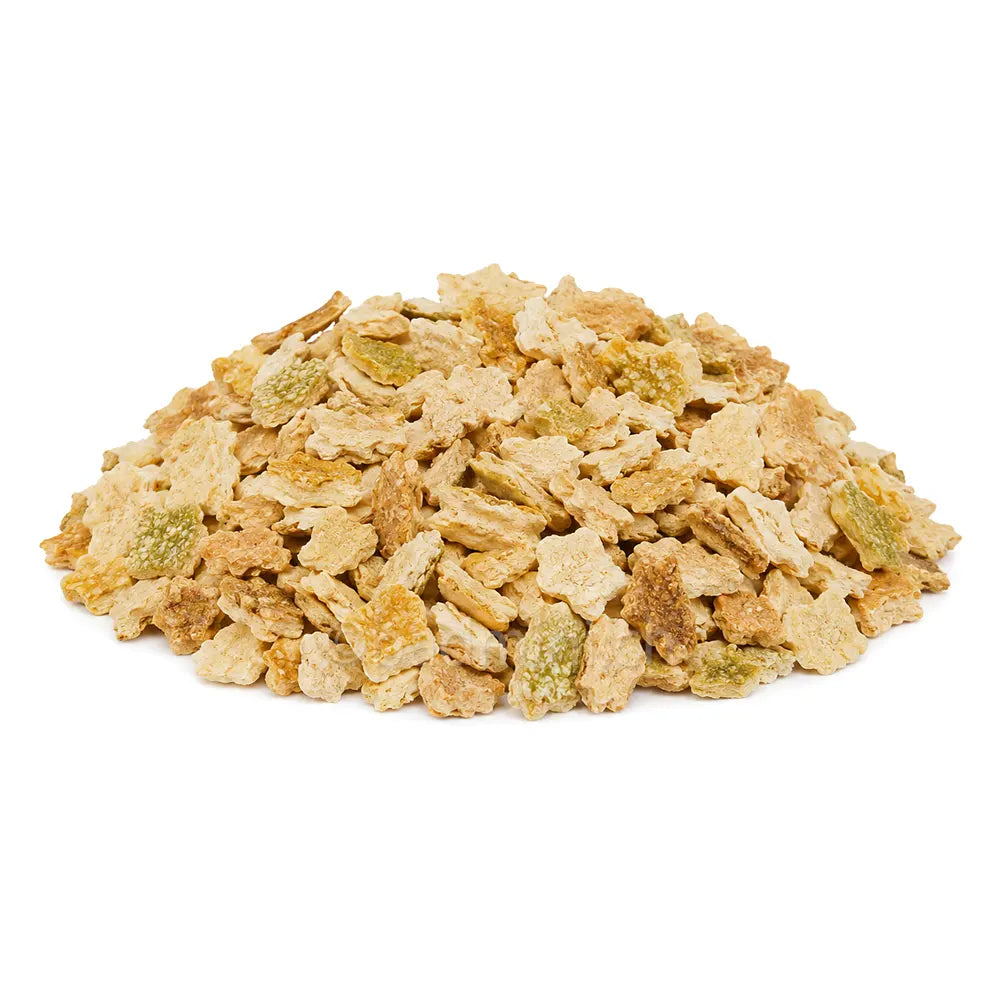
Dried Lemon Peel 50 g – Citrus limon for Incense Burning
Dried Lemon Peel 50 g – Citrus limon for Incense Burning
0865
Couldn't load pickup availability
Product description
Dried lemon peel (Citrus limon) brings a fresh, lively citrus note to incense burning and incense blends. When gently heated, it releases a lemony, zesty and slightly sweet fragrance. In contemporary incense practices, lemon peel is particularly associated with symbolic purification, protection and new beginnings.
The lemon peel comes from the fruit of Citrus limon, a member of the Rutaceae family. The aromatic peel of the fruit is used, rather than the bark of the lemon tree. The lemon is an ancient cultivated plant of hybrid origin, whose ancestors came from Asia. Over the course of its history, it spread to the Mediterranean region, where lemon cultivation continues to play an important role today.
Fresh, lemony and zesty
When burned as incense, lemon peel develops a fresh, lemony and zesty fragrance with a slight aromatic sweetness. Its character is lively and vibrant, although it should not be equated with the fragrance of a freshly cut lemon or concentrated lemon essential oil.
Temperature plays an important role in the fragrance. An incense burner with a mesh screen is particularly suitable for gently heating the peel, allowing the citrus notes to develop without immediately being overwhelmed by toasted aromas. It can also be used on suitable incense charcoal, although excessive heat quickly brings bitter and burnt notes to the foreground.
A lively citrus note for incense blends
Lemon peel can be burned as incense on its own, but is particularly suitable as a fresh component in incense blends. Its bright citrus character provides a distinct contrast to earthy roots, warm woods and heavy natural resins, giving a composition a lighter, more vibrant direction.
It can also be used in a variety of combinations with other herbs or fruit peels. Compared with orange peel, its fragrance is less warm and sweet, with a stronger emphasis on the fresh, tangy and zesty character of the citrus fruit.
Purification, protection and new beginnings
In contemporary spiritual and esoteric incense practices, lemon peel is particularly associated with symbolic purification and protection. It is used in incense rituals intended to leave behind an atmosphere perceived as heavy or stagnant and consciously begin a new chapter.
These associations are linked to ideas of renewal, clarity and a fresh sense of direction. The peel's fresh citrus character symbolically complements a ritual intended to mark a new beginning or consciously refocus personal intentions.
In some contemporary practices, lemons are also attributed the symbolic ability to ward off negative influences or dispel unfavourable conditions and curses. These beliefs belong to the realm of folk magic and spiritual practice and do not represent proven effects of the smoke.
Love, friendship and harmony
Alongside purification and protection, lemon peel is also associated with love, friendship and harmony between people in some modern incense practices. It can therefore be incorporated into blends intended to symbolically accompany a new beginning in a friendship or romantic relationship, reconciliation or harmonious relationships.
However, associations surrounding lemons are not consistent across all traditions. Astrological and elemental correspondences also vary according to the tradition and author. A particular association with the Sun, the Moon or an element should therefore not be presented as a universally accepted tradition.
An ancient cultivated fruit – but no documented ancient incense tradition
The history of lemons in the Mediterranean region stretches back a long way. Botanical discoveries indicate that lemons were already known in Rome around the beginning of the Common Era. Their fruits and aromatic peels have been used in many different ways throughout history.
However, this does not establish that lemon peel was already burned as incense in antiquity. The contemporary use of dried lemon peel in incense blends and spiritual incense practices should therefore be distinguished from the much older cultural history of the lemon.
- Botanical name: Citrus limon
- Family: Rutaceae
- Plant part used: dried fruit peel
- Origin of the current product: Italy
- Form: cut
- Fragrance when burned: fresh, lemony, zesty and slightly sweet
- Use: for incense burning, on its own or in incense blends
- Net weight: 50 g