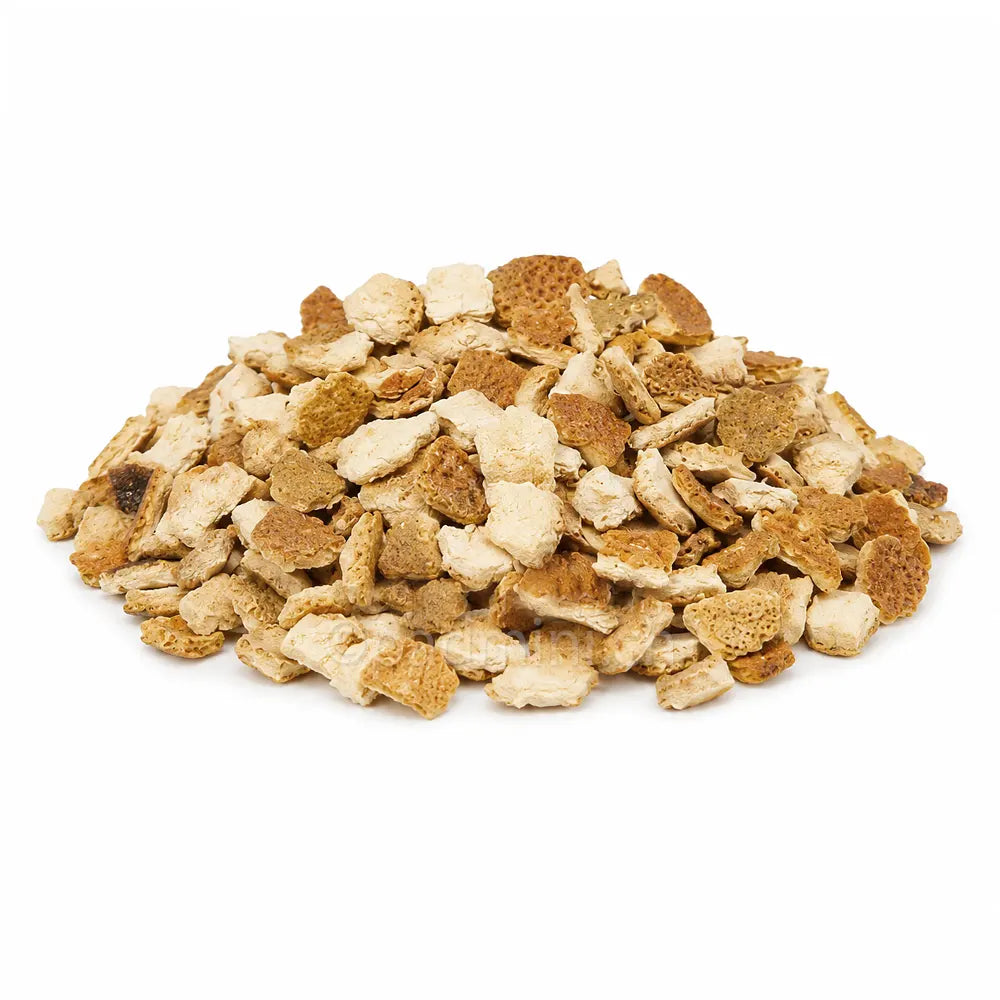
Dried Orange Peel 50 g – Citrus sinensis for Incense Burning
Dried Orange Peel 50 g – Citrus sinensis for Incense Burning
0862
Couldn't load pickup availability
Product description
Dried orange peel (Citrus sinensis) adds a fruity, citrus note to incense burning and incense blends. When gently heated, the peel releases a citrus, fruity and slightly sweet fragrance with a subtly bitter zest note. In contemporary incense practices, it is also associated with joy, good fortune, abundance and a sunny, life-affirming symbolism.
The peel comes from the sweet orange, Citrus sinensis, which belongs to the Rutaceae family. The aromatic peel of the fruit is used – not the bark of the orange tree. The sweet orange is a cultivated hybrid descended from Asian ancestors, with a history tracing back to southern China and neighbouring regions. From there, orange cultivation later spread to the Mediterranean region and numerous other areas with suitable climates.
Citrus, fruity and slightly bitter
When burned as incense, orange peel has a fragrance distinctly reminiscent of the fruit's characteristic zest. Its profile is citrus and fruity, slightly sweet yet somewhat bitter. The impression is closer to dried, warmed orange zest than to the fragrance of a freshly cut orange or concentrated orange oil.
This fragrance develops particularly well with gentle heat. On an incense burner with a mesh screen, the orange peel can be heated slowly, allowing its aromatic notes to emerge more clearly. When using suitable incense charcoal, it should be added sparingly and not exposed to unnecessarily high temperatures, as bitter and burnt notes can quickly overpower its citrus character.
A fruity component for incense blends
Orange peel can be burned on its own but is particularly suitable as a fruity component in incense blends. Its citrus note adds a lively accent among herbs, aromatic woods and natural resins, bringing a brighter fragrance character to heavier or earthier compositions.
With its warm yet fruity character, orange peel is also well suited to incense burning during social gatherings, celebrations and personal rituals where a friendly, welcoming fragrance atmosphere is the main focus.
Good fortune, abundance and joy of life
In contemporary spiritual and esoteric incense practices, orange peel is particularly associated with good fortune, abundance, prosperity and success. Its vibrant colour and fruity fragrance have also contributed to its strong solar symbolism. It therefore symbolises light, warmth, joy of life and renewal.
Orange peel is also used in incense rituals associated with love and attraction. Other contemporary practices connect it with the symbolic purification of spaces, particularly when an atmosphere perceived as heavy or stagnant is intended to give way to a lighter, more vibrant feeling.
These associations belong to modern spiritual and esoteric practices. There is no evidence that orange peel attracts money or love, nor does it objectively remove so-called negative energies.
The orange and its solar symbolism
The association between oranges and the sun is easy to understand: the fruit's bright colour, aromatic fragrance and ripening in warm regions have made it a natural symbol of warmth, light and abundance. In some modern systems of symbolic correspondences, the orange is therefore associated with the Sun and sometimes also with the element of Fire.
This symbolism is particularly suited to incense rituals accompanying a new beginning, a celebration, gratitude or the desire for greater lightness and optimism. These are symbolic meanings rather than proven effects of the smoke on mood.
Sweet orange is not bitter orange
The peel offered here comes from the sweet orange (Citrus sinensis). It should not be confused with bitter orange, also known as Seville orange. Likewise, traditional uses of mandarin peel or other citrus peels cannot automatically be applied to sweet orange.
Although orange peel has long been used as an aromatic and culinary ingredient, this does not establish any specific ancient tradition of burning it as incense. Its contemporary use as an aromatic ingredient in incense blends should be distinguished from these historical uses.
- Botanical name: Citrus sinensis
- Family: Rutaceae
- Plant part used: dried fruit peel
- Origin of the current product: Italy
- Form: cut
- Fragrance when burned: citrus, fruity, slightly sweet and bitter, reminiscent of orange zest
- Use: for incense burning, on its own or in incense blends
- Net weight: 50 g