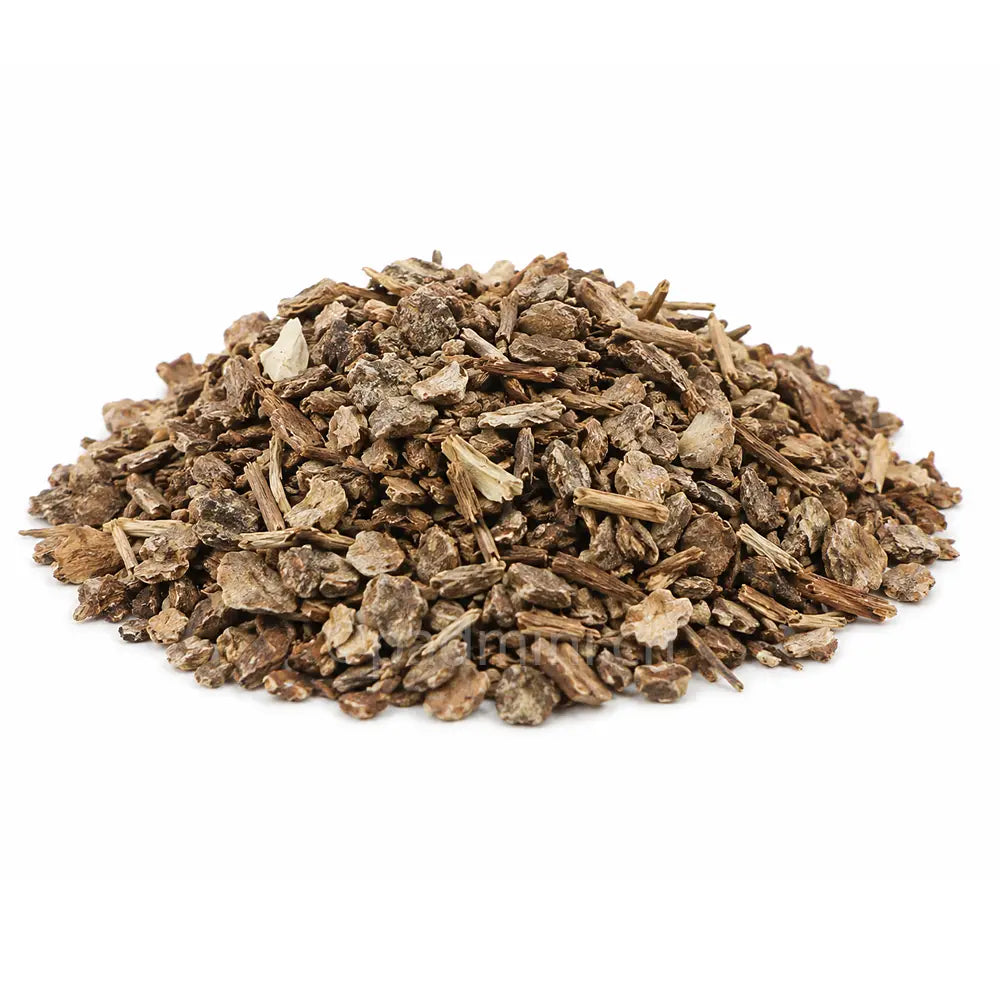
Elecampane Root Cut 50 g – Inula helenium for Incense Burning
Elecampane Root Cut 50 g – Inula helenium for Incense Burning
1295
Couldn't load pickup availability
Product description
Cut elecampane root (Inula helenium) is an aromatic root with a warm, earthy and spicy fragrance. When burned as incense, this pronounced root character combines with a slightly resinous-sweet note. In contemporary incense practices, elecampane is particularly associated with protection, symbolic purification and inner strength; its large yellow flowers have also given the plant a strong solar symbolism.
Inula helenium, or elecampane, belongs to the Asteraceae (daisy) family. This perennial plant is originally native to an area extending from southeastern Europe through parts of Western Asia to Western Siberia and Iran, and was later cultivated in numerous other regions. The aromatic underground parts of the plant are used and traded as elecampane root and may include both rhizome and root material.
A traditional European root
Elecampane has a long history in European herbal traditions. Its aromatic root or rhizome was traditionally used in various herbal preparations. These historical applications should, however, be distinguished from its contemporary use as an incense material and cannot be transferred to the effects of its smoke.
This history does not provide evidence of an equally ancient and clearly documented European tradition of burning elecampane as incense. Today, however, elecampane is used as an aromatic incense root in its own right and is valued for its warm, earthy fragrance character.
Warm, earthy and spicy
When burned as incense, elecampane root develops a warm, earthy and spicy fragrance with a slightly resinous-sweet nuance. Depending on individual perception, subtle camphor-like or violet-like facets may also emerge in the background. These remain secondary accents within the overall strong, warm root fragrance.
The cut root can be used on its own or as an ingredient in incense blends. Its earthy, warm character is particularly suitable for combining with aromatic woods and natural resins. When combined with sandalwood, for example, it creates a blend in which the spicy depth of elecampane meets a softer woody fragrance.
For a slower release of fragrance, elecampane root can be heated on an incense burner with a mesh screen; it can also be used on suitable incense charcoal. A heat-resistant incense vessel and good ventilation are recommended; the smoke should not be inhaled directly.
Protection and symbolic purification
In contemporary incense practices, elecampane is particularly associated with protection and symbolic purification. The root is used in incense rituals intended to free spaces from influences perceived as burdensome or negative and to create a protected atmosphere.
Symbolically warding off negative influences is also among the contemporary associations of elecampane. Such concepts should be understood as spiritual and ritual meanings and do not represent a proven effect of the smoke.
Solar plant – warmth, strength and confidence
With its large yellow flowers, elecampane is often described as a solar plant in contemporary incense traditions. This symbolism associates it with warmth, light, vitality and confidence. The root is accordingly used in incense rituals intended to symbolically accompany inner strength, a new beginning or a conscious transition towards a new phase.
Names such as “sun root” can also be found in contemporary literature on incense plants. This solar symbolism is a figurative spiritual interpretation of the plant and does not mean that elecampane or its smoke has any proven effect on mood or physical vitality.
Elecampane as an ingredient in Asian incense compositions
Elecampane is not found exclusively in Western incense traditions. Inula helenium is also documented as an ingredient in certain Korean incense compositions, including Chui Woon. This illustrates an interesting connection between an aromatic root with a long tradition in Europe and the Asian art of complex incense blends.
Elecampane should not be confused with Inula racemosa or with costus. These are different aromatic plants, even though their names can occasionally lead to confusion in translations or in trade.
- Botanical name: Inula helenium L.
- Family: Asteraceae (daisy family)
- Plant part used: underground plant parts traded as elecampane root
- Origin of the current product: Bulgaria
- Form: cut
- Fragrance when burned: warm, earthy and spicy with a slightly resinous-sweet nuance
- Use: for incense burning, on its own or in incense blends
- Net weight: 50 g