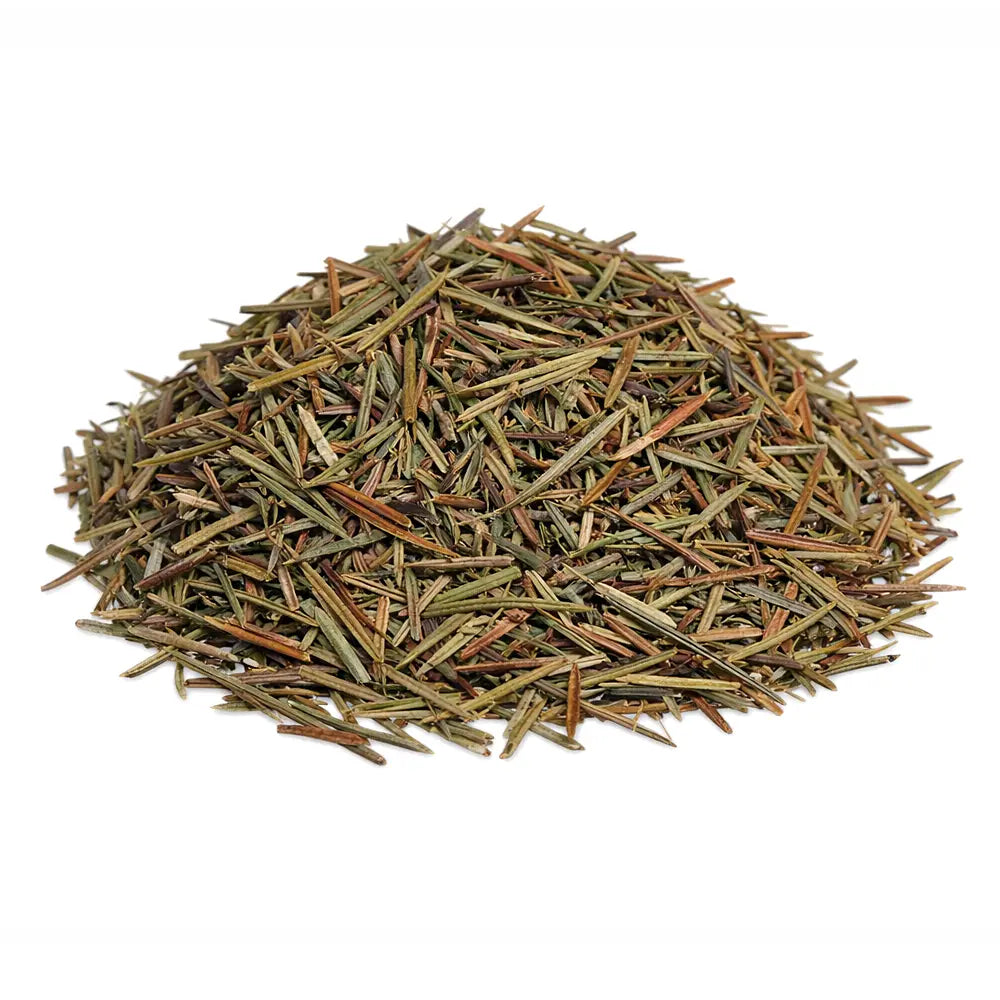
Juniper Tips 50 g – Juniperus communis for Incense Burning
Juniper Tips 50 g – Juniperus communis for Incense Burning
1270
Couldn't load pickup availability
Product description
Juniper tips (Juniperus communis) are among the aromatic plant materials with a long history in European incense traditions. When burned as incense, the needle-bearing branch tips release a fresh, green and resinous fragrance with a distinctly forest-like character and spicy, slightly woody nuances. In various European traditions, juniper smoke was associated with purification and protection, symbolism that continues to feature in contemporary incense practices.
Juniperus communis, commonly known as common juniper, belongs to the Cupressaceae family. This evergreen coniferous shrub or small tree has an exceptionally extensive natural distribution across the temperate and subarctic regions of the Northern Hemisphere. The juniper tips offered here come from Albania. They consist of dried, needle-bearing branch tips rather than juniper berries, wood, resin or essential oil.
Juniper in European incense traditions
The aromatic branches and needles of juniper have a long history of use as incense materials in various regions of Europe. Their smoke was used, among other things, for the symbolic purification of homes and other spaces and was associated with protecting their inhabitants.
A particularly vivid example is documented in Samogitia, Lithuania. An ethnobotanical study describes the use of Juniperus communis blessed in church for fumigating the home. According to traditional beliefs, this practice was intended to protect against illness, misfortune and even lightning strikes. Christian customs were combined with folk beliefs according to which juniper smoke was also thought to ward off evil spirits and the devil.
These accounts document historical and local beliefs. They do not mean that juniper smoke actually protects against diseases, natural hazards or supernatural influences.
Fresh, resinous and reminiscent of a coniferous forest
When burned as incense, juniper tips release a fresh, green and resinous fragrance with forest-like, spicy and slightly woody nuances. A subtle natural sweetness may round out the fragrance without diminishing its overall powerful coniferous character.
The aroma is immediately reminiscent of aromatic conifer foliage and differs from the fragrance of juniper berries. The familiar aroma associated with gin should therefore not be used to describe these branch tips.
The dried juniper tips can be burned on their own or together with other aromatic plants and natural resins. Their fresh forest character makes them particularly suitable as a botanical component in incense blends containing other conifers or resins. A heat-resistant incense vessel and good ventilation are recommended; the smoke should not be inhaled directly.
Purification, protection and warding off evil
In traditional and contemporary incense practices, juniper is particularly associated with symbolic purification and protection. Its smoke accompanies incense rituals intended to free a space from influences perceived as burdensome or negative and to create a protective atmosphere.
Historical folk beliefs sometimes went considerably further: juniper was regarded as a protective plant whose smoke was believed to ward off evil spirits, the devil and other influences perceived as ominous. Such beliefs are documented particularly where Christian customs and regional folklore intersected.
In contemporary spiritual practices, this older symbolism is often expressed through concepts such as cleansing negative energies, protection and renewal. Juniper can therefore be used in incense rituals accompanying a new beginning, the symbolic purification of a space or its blessing. These are ritual and spiritual beliefs rather than scientifically proven effects of the smoke.
Juniper in traditional herbal practices
Juniper also has a long history as a medicinal plant. However, traditional medicinal uses primarily concern the fleshy cones, commonly referred to as juniper berries, and preparations made from them. These applications must be distinguished from the juniper tips offered here and their use as an incense material, and cannot be extended to the effects of their smoke.
- Botanical name: Juniperus communis L.
- Family: Cupressaceae
- Plant part used: needle-bearing branch tips
- Origin of the current product: Albania
- Form: dried juniper tips
- Fragrance when burned: fresh, green, resinous, forest-like and spicy with slightly woody nuances
- Use: for incense burning, on their own or in incense blends
- Net weight: 50 g