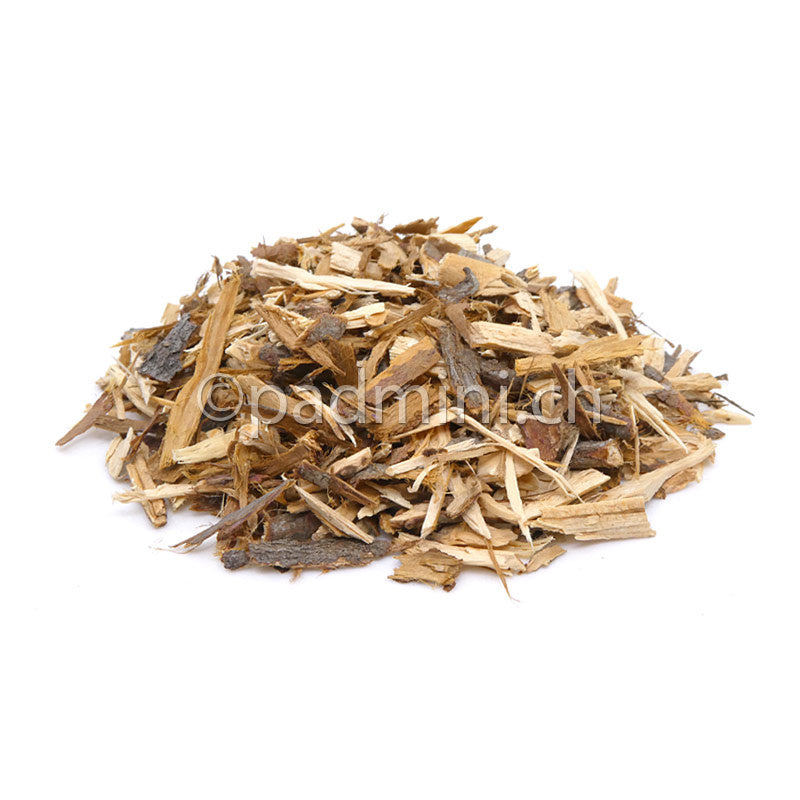
Cut Juniper Wood 50 g – Juniperus communis for Incense Burning
Cut Juniper Wood 50 g – Juniperus communis for Incense Burning
1378
Couldn't load pickup availability
Product description
Cut juniper wood (Juniperus communis) is a traditional European incense material with a characteristically woody and spicy fragrance. When burned as incense, the wood develops a forest-like, slightly bitter character with a fresh aromatic note. In European traditions, juniper smoke was particularly associated with purification, protection and the blessing of the home and its inhabitants.
Juniperus communis, the common juniper, belongs to the Cupressaceae family. Its natural range extends across large parts of the temperate and subarctic Northern Hemisphere. Various parts of the juniper can be used for incense burning; this product consists specifically of cut juniper wood and not juniper tips, berries or essential oil.
Juniper wood in European incense traditions
Juniper is one of the aromatic plants whose smoke was traditionally used in various regions of Europe. Historical traditions document not only the use of branches, needles or berries, but also the burning of the wood itself.
A particularly interesting example can be found in older Scottish New Year customs. As part of the practice known as Saining, juniper wood was burned in homes and outbuildings. The smoke accompanied the ritual purification and blessing of buildings and their inhabitants and at the same time represented protection during the transition into a new year.
In other European traditions, juniper smoke was also associated with protection against harmful influences. Depending on the region, wood, branches or other parts of the plant could be used. The individual traditions should therefore not be understood as a single, uniform European custom.
Woody, spicy and forest-like
When burned as incense, juniper wood develops a woody and spicy fragrance with a distinctly forest-like character. Slightly bitter facets and a fresh aromatic note evoke the environment of juniper and other coniferous trees, although the fragrance of the wood should not be equated with that of juniper berries.
The cut pieces of wood can be burned on their own or together with other aromatic woods, plants and natural resins. With its dry, spicy and forest-like character, juniper wood is particularly suitable as a woody base for blends intended to combine resinous and coniferous notes.
For a slower release of fragrance, the wood can be heated on an incense burner with a mesh screen. It can also be used on suitable incense charcoal. A heat-resistant incense vessel and good ventilation are recommended; the smoke should not be inhaled directly.
Purification, protection and blessing of the home
In European traditions, juniper smoke was regarded as purifying and protective. Burning the wood could accompany the symbolic purification and blessing of a home and, according to beliefs at the time, was intended to protect its inhabitants from harmful or ominous influences.
Some folkloric traditions also associate juniper with warding off evil spirits, witchcraft and other forces perceived as threatening. The plant thereby acquired a strong protective symbolism that continues in various incense practices to this day.
In contemporary spiritual practices, this older concept is often described as cleansing negative energies or as protection against negative influences. Juniper wood can accordingly be used for incense rituals intended to accompany a symbolic new beginning, the purification of a space or the creation of a protected atmosphere. These are traditional or spiritual beliefs and not proven effects of the smoke.
Juniper smoke in times of illness
Historically, juniper was also burned in Europe during epidemics and periods of infectious disease. Such incense practices were based on contemporary ideas about corrupted or dangerous air and on the hope of purifying spaces with aromatic smoke.
These historical practices are of cultural and historical interest but should not be equated with a proven disinfectant effect. Burning juniper wood has not been shown to protect against infections and is not a substitute for hygiene or medical measures.
A parallel with Himalayan incense traditions
Juniper also plays an important role in Tibetan and Nepalese incense traditions, including in smoke offerings and practices of purification and blessing. However, various juniper species such as Juniperus indica and Juniperus recurva, as well as different parts of the plants, are used in these traditions.
The European Juniperus communis wood offered here should therefore not be equated with the juniper used in specific Tibetan or Nepalese incense practices. Rather, the parallel illustrates how aromatic juniper independently acquired an important role as an incense plant in different cultural regions.
- Botanical name: Juniperus communis L.
- Family: Cupressaceae
- Plant part used: wood
- Origin of the current product: Serbia
- Form: cut pieces and wood chips
- Fragrance when burned: woody, spicy, forest-like and slightly bitter with a fresh note
- Use: for incense burning, on its own or in incense blends
- Net weight: 50 g