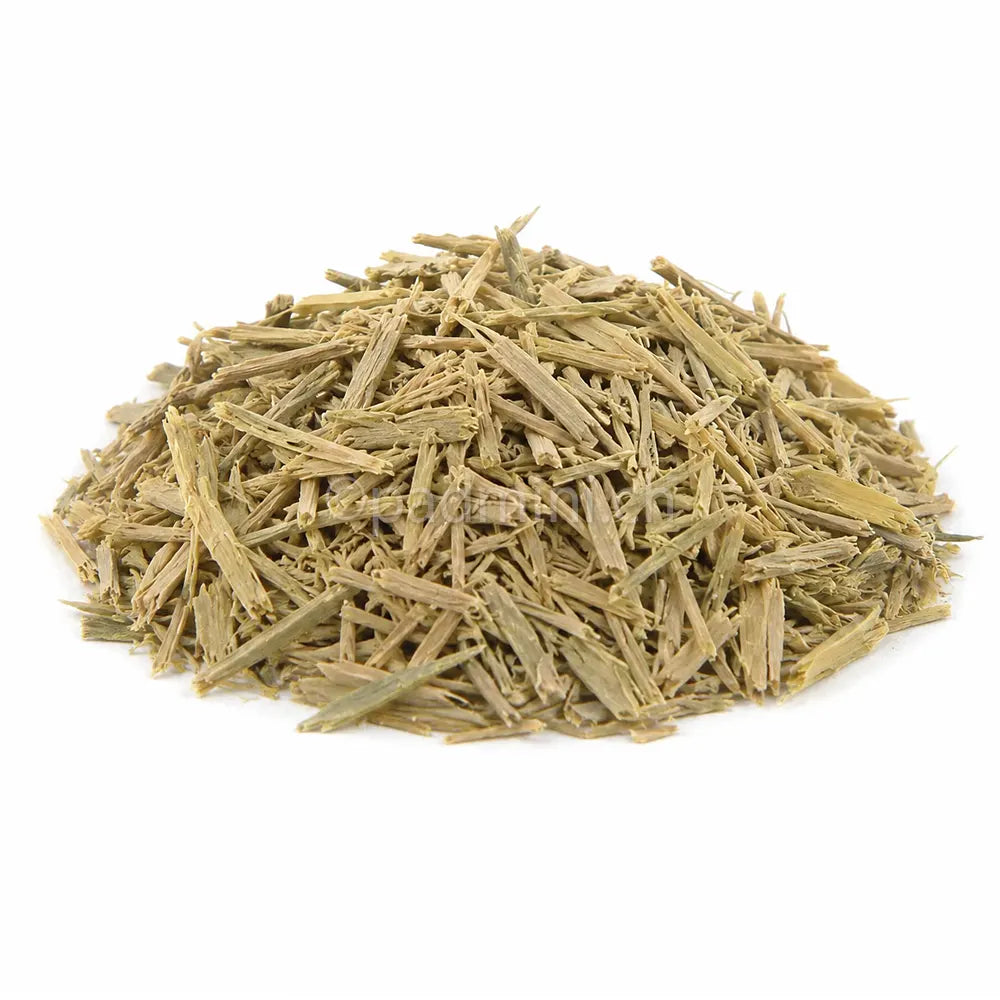
Muira Puama – Ptychopetalum olacoides Incense Wood
Muira Puama – Ptychopetalum olacoides Incense Wood
1004-50
Couldn't load pickup availability
Product description
Muira Puama (Ptychopetalum olacoides), also traditionally known in trade as potency wood, is a South American plant material that is now also offered for incense burning. When burned, it develops a warm, woody and spicy fragrance with earthy and slightly bitter nuances. In contemporary incense practices, Muira Puama is primarily associated with sensuality, vitality, personal strength and love rituals.
Ptychopetalum olacoides belongs to the Olacaceae family and is native to the humid tropical regions of South America. The species occurs from the Guianas to northern Brazil. The product offered here comes from Brazil and is supplied in cut form.
Muira Puama and the name “potency wood”
Muira Puama has a long history in South American herbal traditions. In Brazil, the plant is known as Muira Puama or Muirapuama, while in French Guiana the name Bois bandé is also used. Ethnobotanical accounts document in particular its traditional reputation as a strengthening and aphrodisiac plant remedy among Creole communities in Guiana and Caboclos in the Amazon region.
This is also the origin of the German trade name Potenzholz, meaning “potency wood”. It describes the plant’s traditional reputation and should not be understood as a promise of any effect on libido or sexual performance.
The documented medicinal uses primarily concern preparations made from the roots or bark. They do not provide evidence of a historical tradition in which Ptychopetalum olacoides was regularly burned as incense by indigenous peoples of the Amazon or used in ancient shamanic ceremonies.
Woody, spicy and earthy
As an incense material, Muira Puama has a woody, spicy and earthy fragrance with a warm and slightly bitter character. Depending on individual perception, subtle camphor-like or forest-like nuances may also emerge. Its character differs distinctly from aromatic incense woods such as sandalwood, Palo Santo or agarwood.
The cut plant pieces can be used in small quantities on suitable incense charcoal or an incense burner with a mesh screen. Muira Puama can be burned on its own or combined with other plants and incense materials as a woody-spicy component. A heat-resistant incense vessel and good ventilation are recommended; the smoke should not be inhaled directly.
Sensuality and love rituals
Muira Puama’s traditional reputation as an aphrodisiac plant has also influenced its contemporary symbolic use. In modern incense practices, it is associated with sensuality, love and interpersonal attraction and is accordingly included in incense blends whose ritual intention is love or sensuality.
This represents a symbolic continuation of its traditional reputation. Burning Muira Puama as incense has no proven aphrodisiac effect and should not be equated with traditional preparations of the plant intended for internal use.
Vitality, strength and personal drive
Another contemporary association concerns vitality, strength and personal drive. In corresponding incense practices, Muira Puama is used symbolically to represent vitality, dynamism and the willingness to bring renewed energy to personal endeavours.
These ideas likewise draw on the plant’s traditional reputation as a strengthening remedy, but when used as incense they should be understood as ritual and spiritual symbolism. They do not mean that the smoke stimulates the body, increases physical performance or produces other physiological effects.
- Botanical name: Ptychopetalum olacoides Benth.
- Family: Olacaceae
- Other names: Muira Puama, potency wood, Bois bandé
- Origin: Brazil
- Form: cut plant material
- Fragrance when burned: woody, spicy, earthy, warm and slightly bitter
- Use: for incense burning, on its own or in incense blends
- Contents: available in 50 g or 100 g